Confined Space Awareness Course
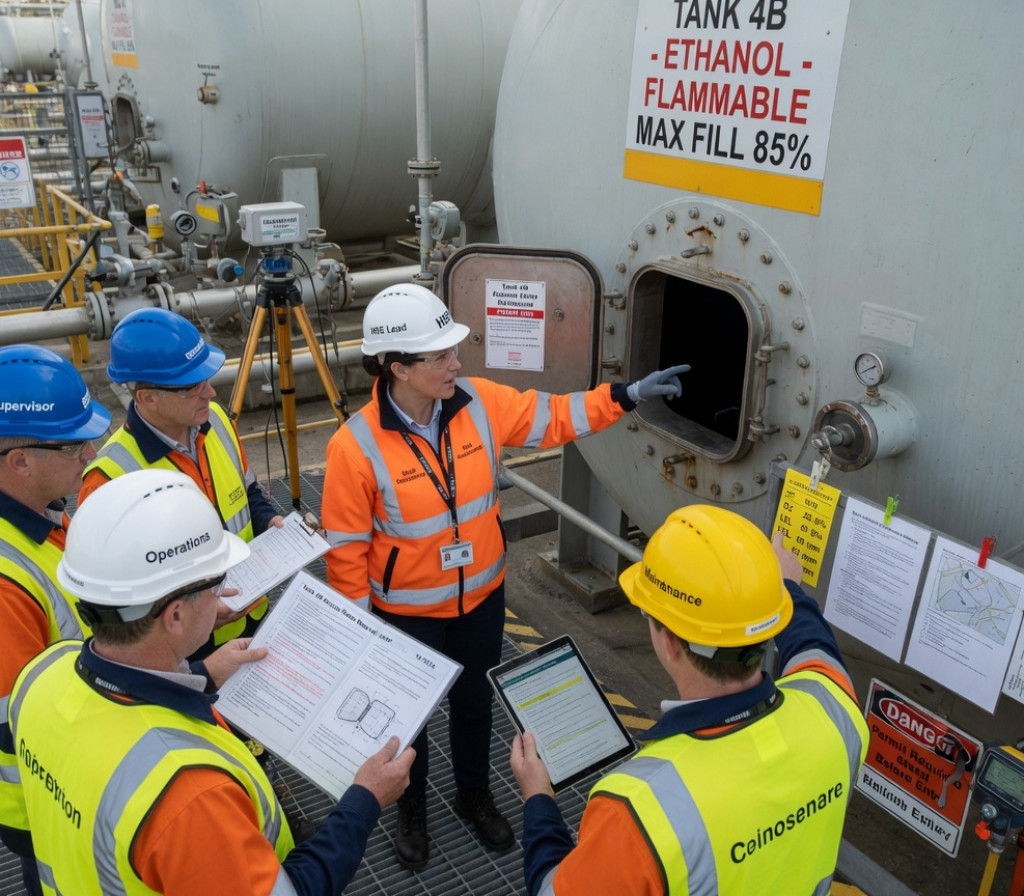
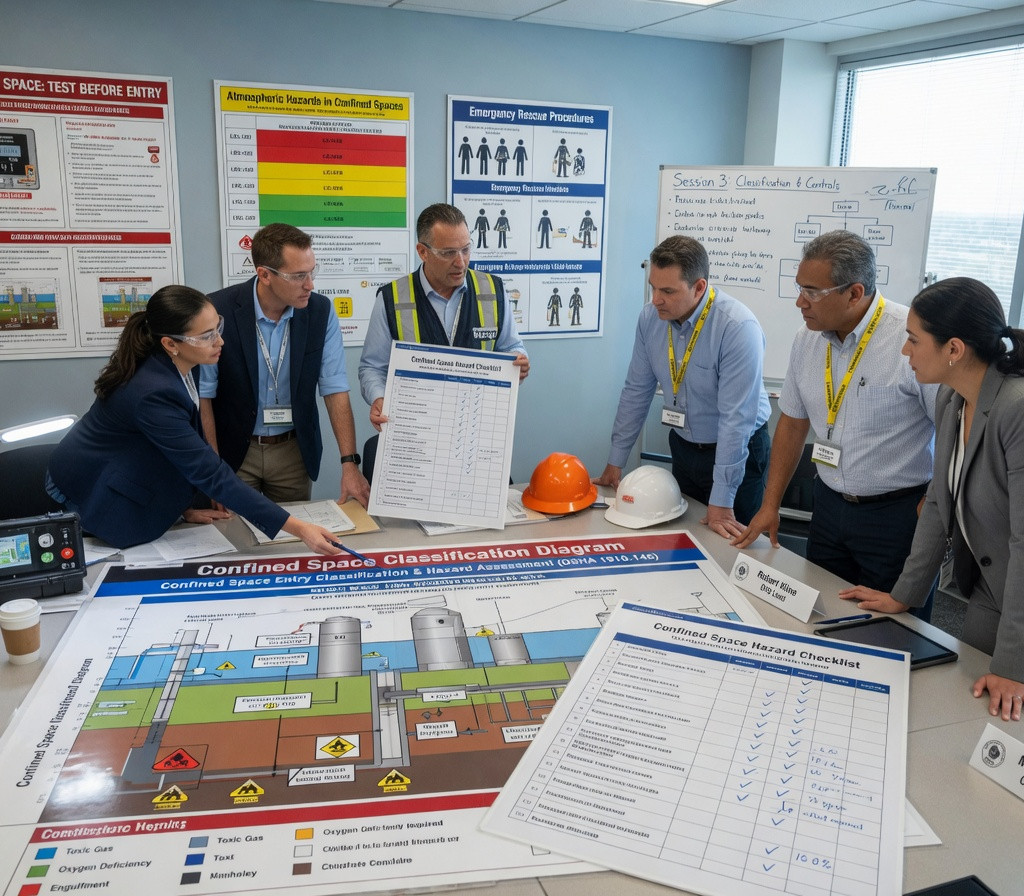
Key Features
Of this Confined Space Awareness Course:
- Identify confined spaces and classify associated hazards under current UK regulations
- Understand atmospheric, physical and biological risks in confined spaces
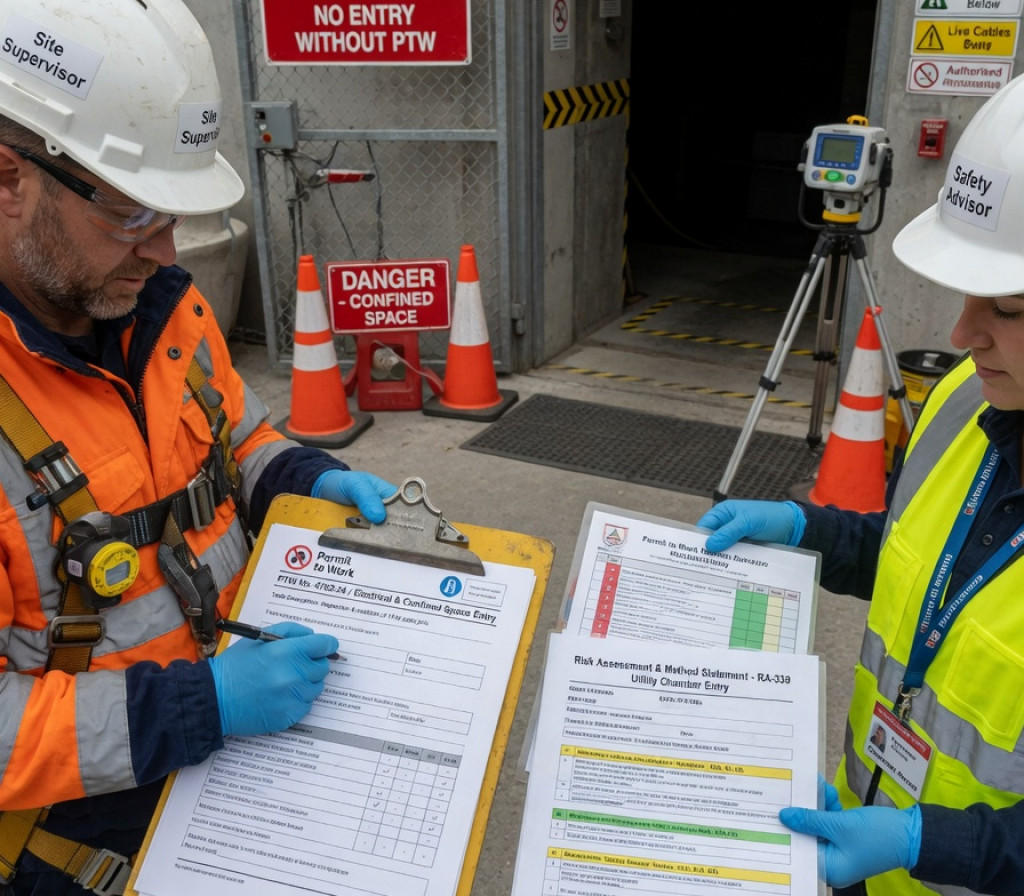
- Apply risk assessment, permit-to-work and safe systems of work procedures
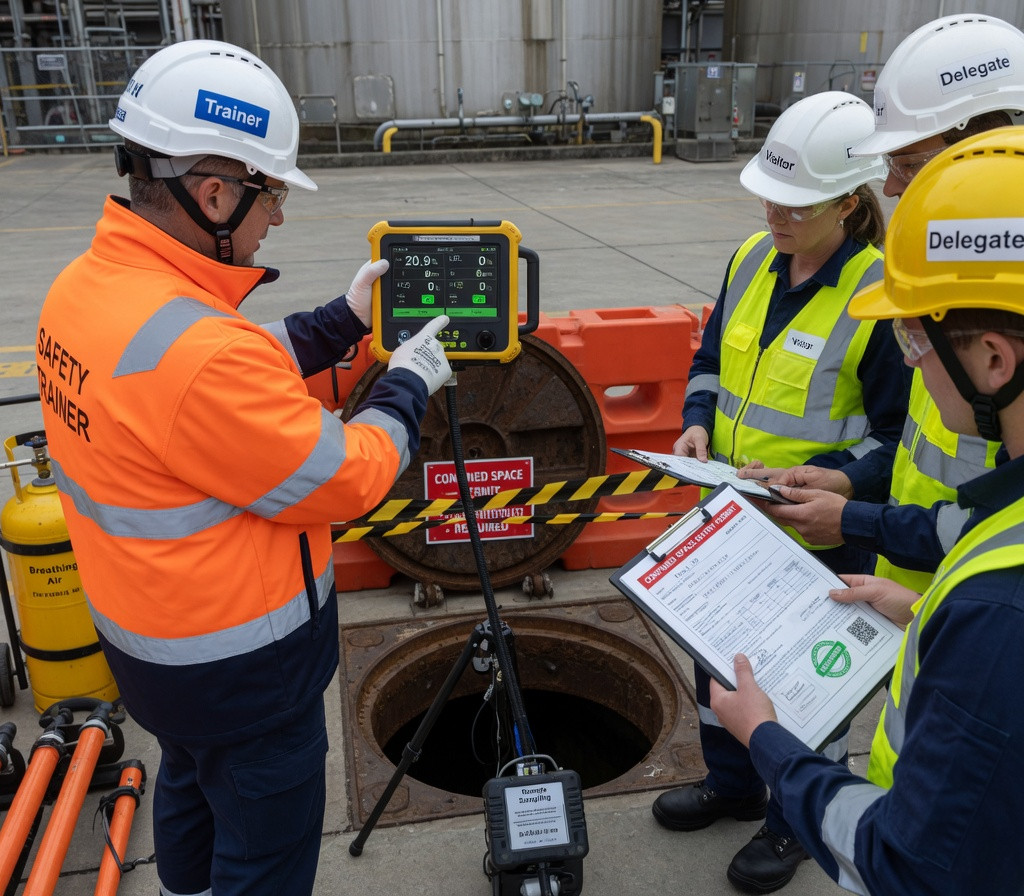
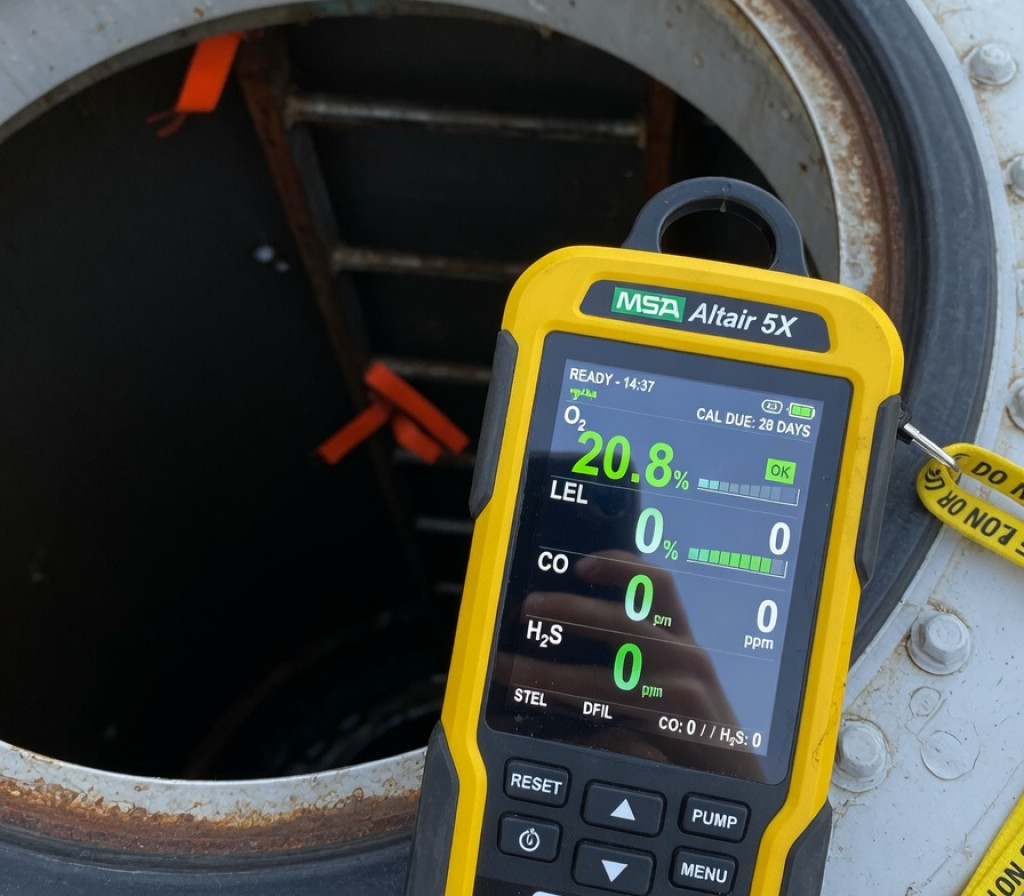
- Select and use appropriate atmospheric testing and monitoring equipment
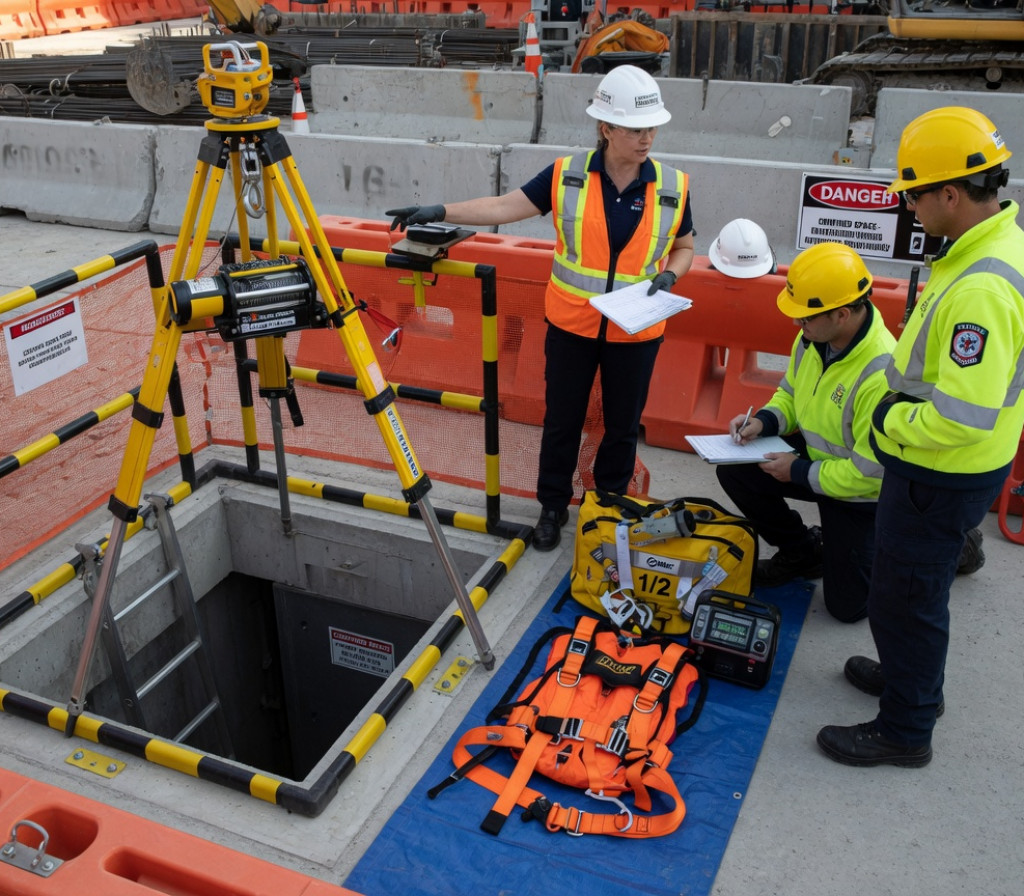
- Recognise PPE requirements and emergency rescue planning obligations
- Meet employer duties under the Confined Spaces Regulations 1997 and associated ACOP
Course Date Availability
Confined Space Awareness training at the following 1 centres. Prices from £165 per person :
| Training Centres | Next Available Dates |
|---|---|
| Birmingham | 23rd Jul 202628th Jul 2026 |
Course Information
Overview:
Confined Space Awareness training provides delegates with a thorough understanding of the legal requirements, hazards and control measures necessary when working in or around confined spaces. The course covers the full scope of the Confined Spaces Regulations 1997, including classification of spaces, atmospheric testing, permit systems and rescue planning. In 2026 this training remains essential for organisations that must demonstrate compliance and protect workers from serious risks such as oxygen deficiency, toxic gases and engulfment.
Who Should Attend?
This course is designed for:
- Site operatives and maintenance technicians
- Supervisors and team leaders responsible for confined space work
- Health and safety professionals
- Contractors in construction, utilities and industrial sectors
- Anyone who may need to assess confined spaces or oversee entry activities
What You Will Learn
By the end of the course you will be able to:
- How to recognise and classify confined spaces according to current guidance
- Atmospheric hazards including oxygen depletion, flammable and toxic gases
- Risk assessment methodology and hierarchy of controls
- Permit-to-work systems and safe systems of work documentation
- Selection and limitations of gas detection and monitoring equipment
- PPE requirements, communication methods and emergency rescue arrangements
Course Agenda
Overview:
The course runs over one day and combines classroom-based theory with practical demonstrations of equipment and procedures. Delegates participate in group exercises, case study reviews and equipment familiarisation sessions.
Key Modules Covered
What you will learn:
- Legal framework and Confined Spaces Regulations 1997
- Definition, classification and identification of confined spaces
- Hazard types and risk assessment techniques
- Control measures, permits and safe entry procedures
- Atmospheric testing, monitoring and ventilation
- PPE, communication and emergency rescue planning
Private Courses On-site
Confined Space Awareness training is also available as a dedicated course, at your premises, and on a date and time of your choosing. Advantages of group / private course is the convenience of candidates being in familiar surroundings and not having to travel, the lowest price, and the ability to have the course tailored to your own application.
Latest Delegate Feedback
⭐ Rated 4.4 By Our Candidates - (194 reviews)
Xyz Training event held at our premises recently was brill. Nicoleta Angheluta really helped us.
★★★★★
5 ⭐ – Dan B - Mon 11th May 2026
Everyone thought the training course that took place in Birmingham recently was something wholly worth attending.
★★★★
4 ⭐ – John C - Wed 6th May 2026
Both of us thought the course was kudos.
★★★★★
5 ⭐ – Ian S - Tue 5th May 2026
The learning gained on the class held at our premises recently was easy to grasp. Training kept on a smart sticker. Very clever..
★★★★★
5 ⭐ – Mark J - Tue 5th May 2026
Accreditation & Next Steps
What you will achieve as a result:
Delegates receive a certificate of completion valid for three years. The certificate confirms attendance and understanding of awareness-level requirements. Those requiring practical entry skills should progress to a recognised confined space entry qualification.
Frequently Asked Questions
Most commonly asked Confined Space Awareness questions:
The course is delivered over one full day, typically eight hours including breaks and practical sessions.
No formal prerequisites exist. Delegates should have a reasonable level of fitness and be able to understand written and verbal instructions in English.
The syllabus includes legislation, confined space classification, atmospheric and physical hazards, risk assessment, permit-to-work systems, gas detection equipment, PPE selection and emergency procedures.
Assessment consists of a multiple-choice theory test and observation of practical exercises such as equipment checks and permit completion.
Delegates receive a certificate of completion that records attendance and successful assessment.
The certificate remains valid for three years from the date of issue.
Refresher training is recommended every three years or sooner if workplace risks, equipment or legislation change significantly.
This awareness course focuses on recognition, risk assessment and control measures. Full entry courses include practical entry, breathing apparatus use and rescue techniques.
Delegates should wear suitable work clothing and sturdy footwear. All specialist equipment and documentation is provided during the training.
Yes, the course can be delivered at client locations when suitable classroom and practical facilities are available.
The content addresses common scenarios across construction, utilities, manufacturing and maintenance environments using relevant case studies.
The course includes equipment demonstrations and simulated exercises but does not require delegates to make live entries into confined spaces.
Prices per person typically start at £165. Discounts available for multi person or group bookings (depending upon location)
More Information
The training focuses on real workplace scenarios drawn from construction, utilities and manufacturing environments. Practical elements ensure delegates can apply knowledge directly to their own sites and contribute to safer working practices.
Last updated: Jun 2026 • Part of XYZ Training Group